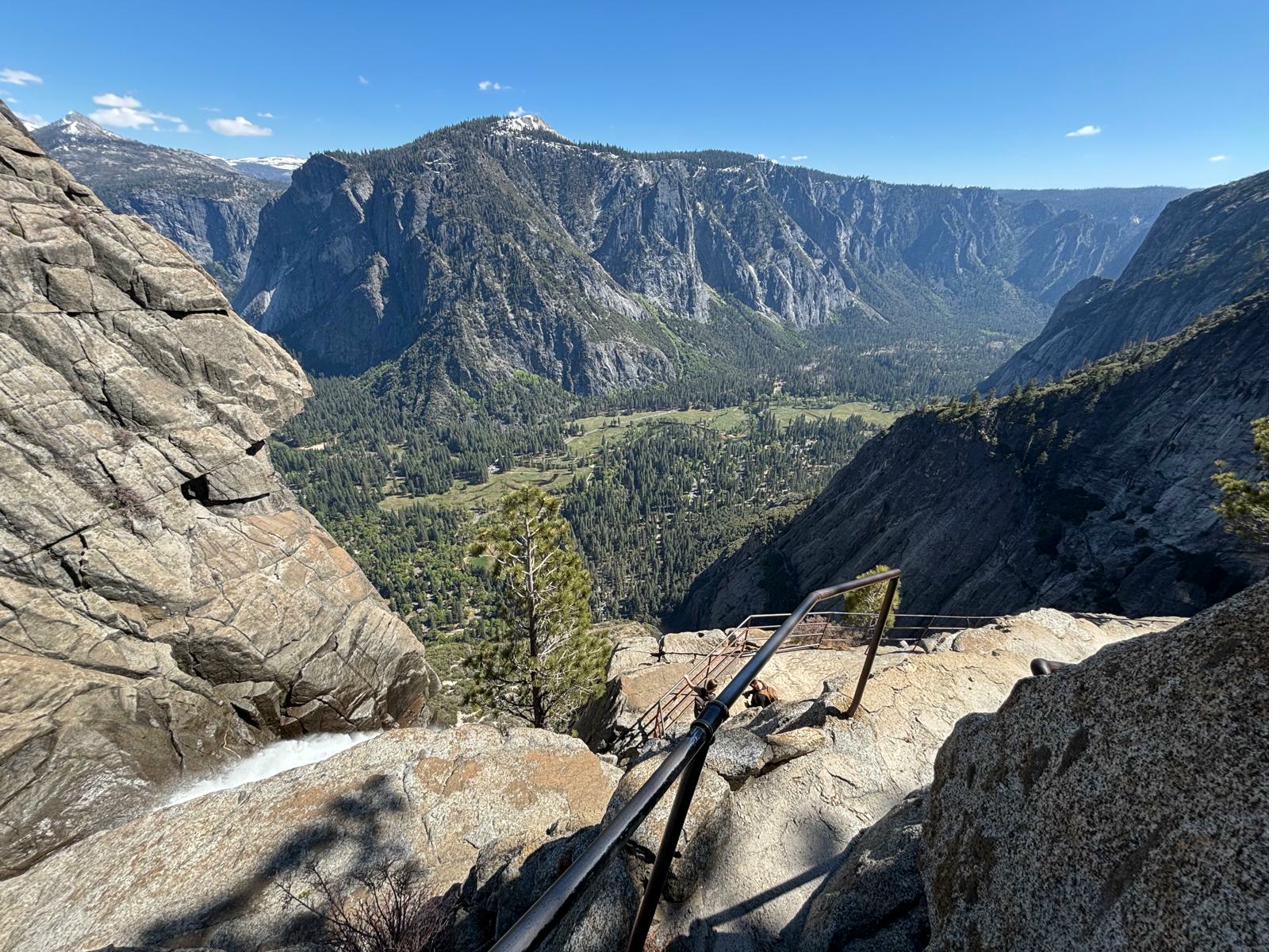
It's the most common question first-time Yosemite visitors ask: "Where should I actually stay?" The Valley has lodges and campgrounds, but booking them is notoriously competitive and expensive. Yosemite West — a private residential community actually inside the park boundary — offers a fundamentally different experience. Here's our honest breakdown.
Understanding the Geography
Yosemite National Park covers 1,169 square miles. Yosemite Valley — with El Capitan, Half Dome, Yosemite Falls — sits on the valley floor at about 4,000 feet elevation. Yosemite West is a private inholding community at approximately 6,000 feet, about 13 miles from the Valley floor via Wawona Road.
Critically: Yosemite West is inside the park boundary. You don't need a timed-entry vehicle reservation to drive from the cabin to the Valley — you're already a park resident. This is a practical difference that matters enormously in summer.
Side-by-Side Comparison
🌲 Yosemite West
- Inside the park — no entry permit needed
- Private duplex — full kitchen, own bathroom
- Forest setting at 6,000ft elevation
- 20 min to Valley, 15 min to Glacier Point
- Lower cost than equivalent Valley lodging
- Cook your own meals — save on food
- Ideal for families and groups
🏛 Yosemite Valley
- Walking distance to key landmarks
- Valley shuttle access (no car needed)
- Very limited — books out months ahead
- Ahwahnee Hotel: $600–$1,200+/night
- Curry Village: basic tent cabins
- Extremely crowded in summer
- Hotel-style experience, limited privacy
The Timed-Entry Advantage
In recent years, Yosemite has implemented timed-entry vehicle reservations during peak periods. Even guests who've booked Valley lodging need a reservation to enter by car between 5AM–4PM during these windows.
Because Yosemite West is inside the park, our guests are exempt from this requirement when driving from the cabin. You simply leave whenever you want and drive into the Valley as a park resident. On busy summer weekends, this exemption is worth more than almost any other single factor in choosing where to stay.
El Capitan Hideaway's living area — a private home experience vs. a hotel room in the Valley.
The Crowd Question
In peak summer, the Valley can feel more like a theme park than a national park. Parking fills before 9AM. Shuttle lines are long. Popular trails have hundreds of simultaneous hikers. Staying in Yosemite West means you drive to the Valley at 7AM, hike before the crowds, and return to the cabin for lunch. That strategy works far better from Yosemite West than from the Valley itself — because you can actually leave and return.
Who Should Stay in the Valley?
Guests without a car who rely entirely on the Valley shuttle. First-and-only-night visitors who want maximum Valley proximity. Anyone specifically wanting the historic Ahwahnee experience. And anyone who doesn't mind paying $600–$1,200/night for the location convenience.
Who Should Stay in Yosemite West?
Families. Groups. Anyone with a car (which is almost everyone). Budget-conscious visitors who don't want to sacrifice the park experience. Photographers who need early-morning access. Anyone who wants a private cabin rather than a hotel room. And anyone who wants to cook their own meals and save hundreds of dollars on dining.
Our Verdict
For most visitors — families, couples, small groups with a car — Yosemite West wins on every practical dimension. The Valley lodging experience is fine; Yosemite West is a private home inside the park. That's a different thing entirely.