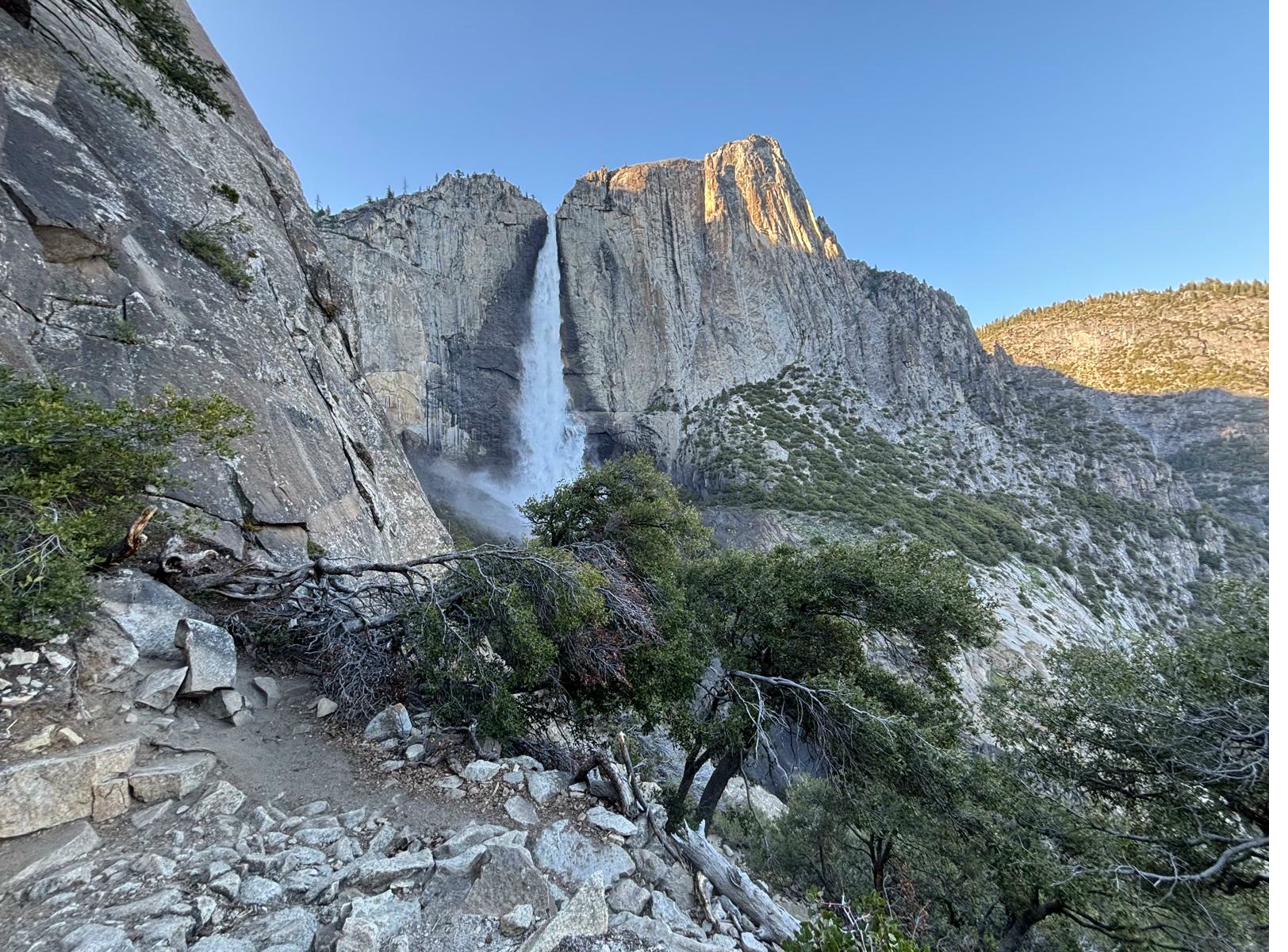
Ask most people when they want to visit Yosemite and they'll say summer. But ask anyone who has been in December, January, or February — and they'll tell you the same thing: winter is the real Yosemite. Fewer crowds, dramatically lower prices, snow-dusted granite walls, and a quietness in the park that simply doesn't exist from June through September.
1. Dramatically Fewer Crowds
Yosemite Valley sees 4–5 million visitors per year — the vast majority between May and September. In winter, the Valley floor can feel almost private on weekdays. Tunnel View has no line. Mirror Lake is a frozen mirror. You can stand in front of El Capitan without jostling for space or waiting for parking.
From our Yosemite West cabins, you're already positioned away from Valley congestion. In winter, that advantage doubles — you'll often drive Wawona Road in complete solitude.
Carry tire chains whenever visiting November–March. Check nps.gov/yose conditions before every drive. Wawona Road to our cabins is plowed, but chain requirements activate with short notice.
2. Waterfalls at Their Most Dramatic
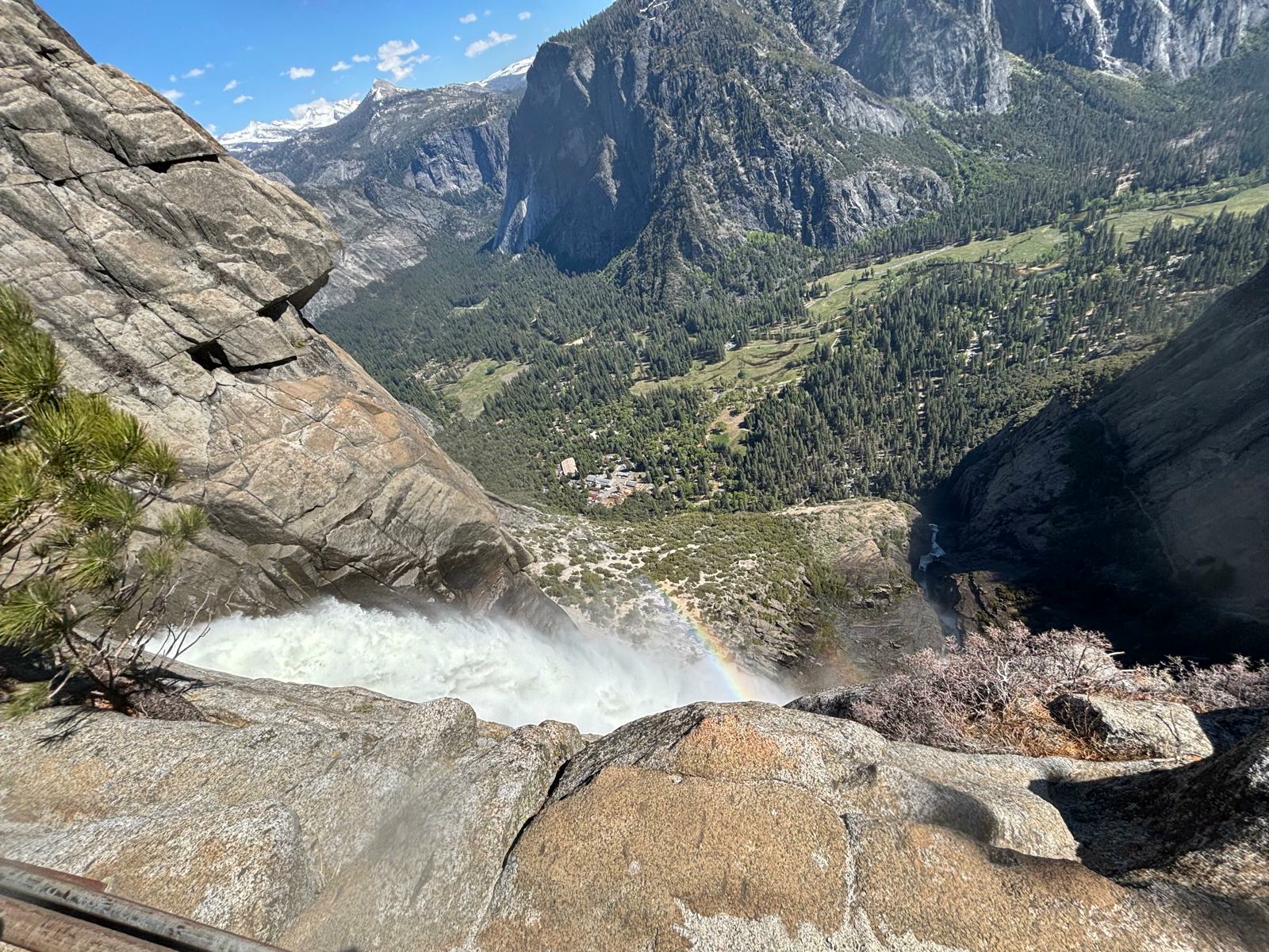
Late winter and early spring (February–April) produce Yosemite's most powerful waterfalls. Snowmelt combines with seasonal rain to push Yosemite Falls, Bridalveil Fall, and Vernal Fall to their annual peak. In January and February, ice formations cling to the cliffs around each fall — spectacular and rarely photographed.
The Half Dome Haven cabin exterior after fresh snowfall — a common sight at our 6,000ft elevation from November through March.
3. Snow-Covered Sequoias in Mariposa Grove
The Mariposa Grove of Giant Sequoias (25 minutes from our cabins) transforms completely in winter. Snow settles in the enormous bark folds of trees thousands of years old. The grove is often accessible by snowshoe, and the Yosemite Conservancy offers ranger-led snowshoe walks on winter weekends. This is one of the most awe-inspiring experiences in the park — and in winter, you may have entire sections entirely to yourself.
4. Badger Pass Ski Area
California's oldest ski resort, Badger Pass sits just 9 miles from our Yosemite West cabins (about 15 minutes). Family-friendly skiing and snowboarding, plus snowshoeing and cross-country skiing. Open mid-December through March depending on snowpack. Perfect for a half-day ski break between cabin mornings and Valley afternoons.
5. Photography That's Actually Possible
In summer, every iconic viewpoint is packed by 8AM. In winter, you can set up a tripod at Tunnel View at sunrise and have it entirely to yourself. Low winter light, frequent cloud drama, and fresh snow on Half Dome produce photographs that look like they belong in a magazine — without fighting anyone for the position.
6. Our Best Cabin Rates of the Year
Winter is off-peak — and that means significantly better pricing on both our cabins. You get the same location inside the park, the same full kitchen, the same forest views, and the same granite walls. Just quieter, more private, and more affordable.
Winter Packing List
- Tire chains or snow cables (mandatory for access during storms)
- Waterproof, insulated hiking boots
- Base layers, mid-layer fleece, waterproof outer shell
- Traction microspikes for icy trails
- Insulated water bottle (liquids freeze in a standard bottle at these temperatures)
- High-SPF sunscreen — UV reflects intensely off snow at elevation
- Snowshoes (rentable in Yosemite Village)