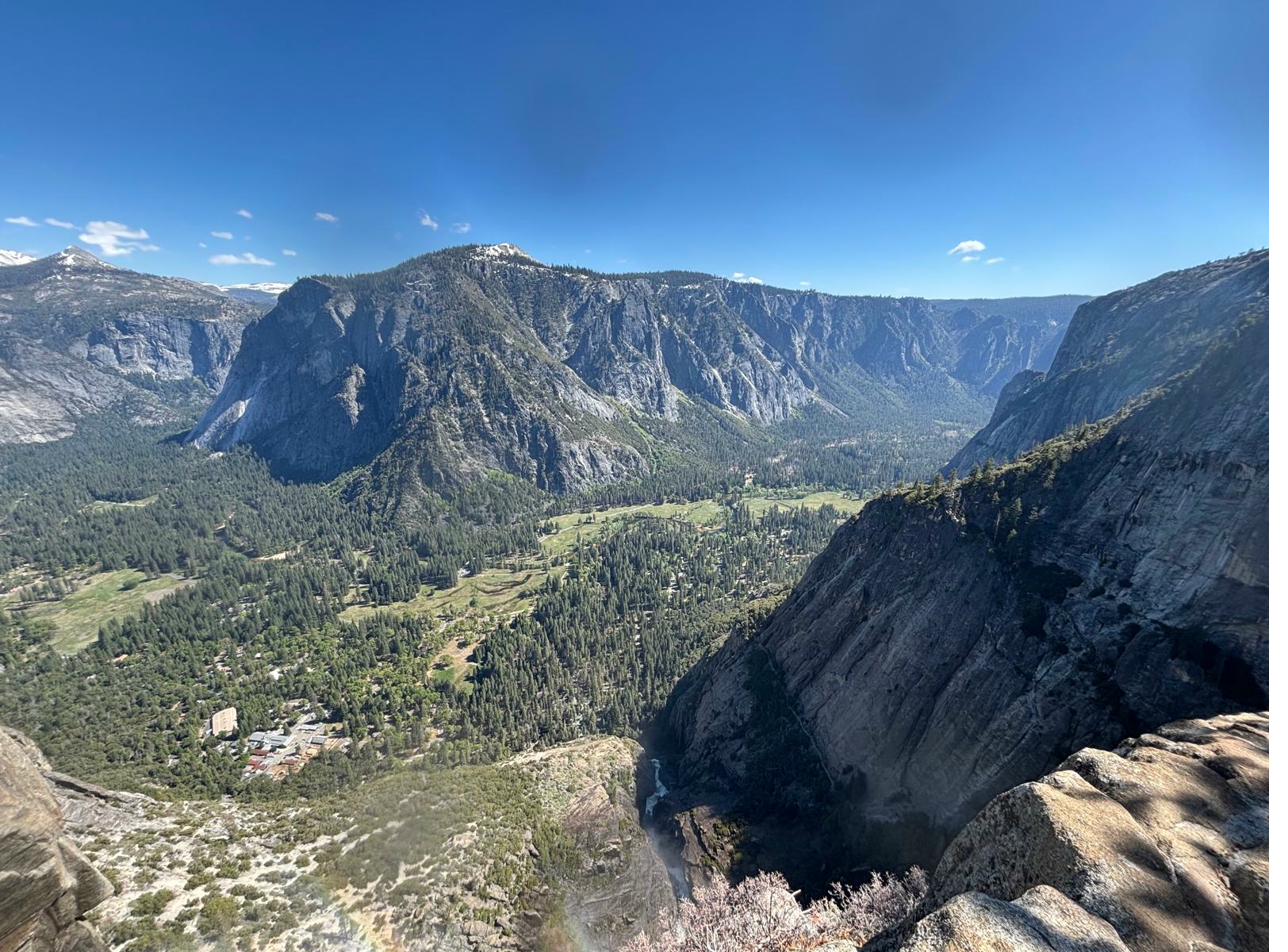
Packing for a Yosemite cabin trip is different from packing for a hotel stay in the city — and very different from a backpacking trip. You're arriving at 6,000 feet elevation inside one of the world's most dramatic national parks, with a full kitchen at your disposal, variable mountain weather, and wildlife that will absolutely break into your car if you leave food inside.
This checklist is built specifically for guests staying at Yosemite West Cabins, where you'll have a full kitchen, washer/dryer, comfortable beds, and easy drive-in access to every corner of Yosemite National Park. Pack smart and you'll spend your time on the trails — not wishing you'd brought something.
Staying at Yosemite West? Our cabins provide linens, towels, a fully equipped kitchen, WiFi, and coffee maker. You don't need to pack sleeping bags, pillows, or basic cooking gear — focus on what's on this list.
🧥 Clothing & Layering
At 6,000 feet, Yosemite West temperatures can swing 30–40°F between morning and afternoon — even in summer. The golden rule is layer, layer, layer. Forget trying to pack light on clothes; pack smart instead.
🧥 Clothing Essentials
- Moisture-wicking base layer tops (2–3, quick-dry material)
- Insulating mid-layer — fleece or down jacket
- Waterproof outer shell / rain jacket (critical April–June)
- Hiking pants or convertible zip-off pants (2 pairs)
- Shorts for warm summer afternoons
- Wool or synthetic hiking socks (bring extra — blisters ruin trips)
- Warm hat and gloves (even in June — nights are cold)
- Sun hat or baseball cap
- Swimsuit (for summer waterfall pools)
- Comfortable camp/cabin clothes for evenings
- Pajamas — nights are genuinely cold year-round
Winter visitors: Add heavy wool socks, thermal base layers, waterproof snow boots rated to at least 15°F, and hand warmers. The cabin is warm but the short walk from car to door in January can surprise you.
🥾 Footwear
More trips to Yosemite are ruined by inadequate footwear than almost anything else. The trails range from paved valley floor walks to steep rocky scrambles — wear the wrong shoes and you'll suffer.
🥾 Footwear
- Waterproof hiking boots with ankle support (essential for Mist Trail, Half Dome)
- Trail runners or day hiking shoes for easier walks
- Sandals or flip-flops for cabin evenings
- Microspikes or traction cleats if visiting October–May
- Gaiters if hiking in snow or dense brush
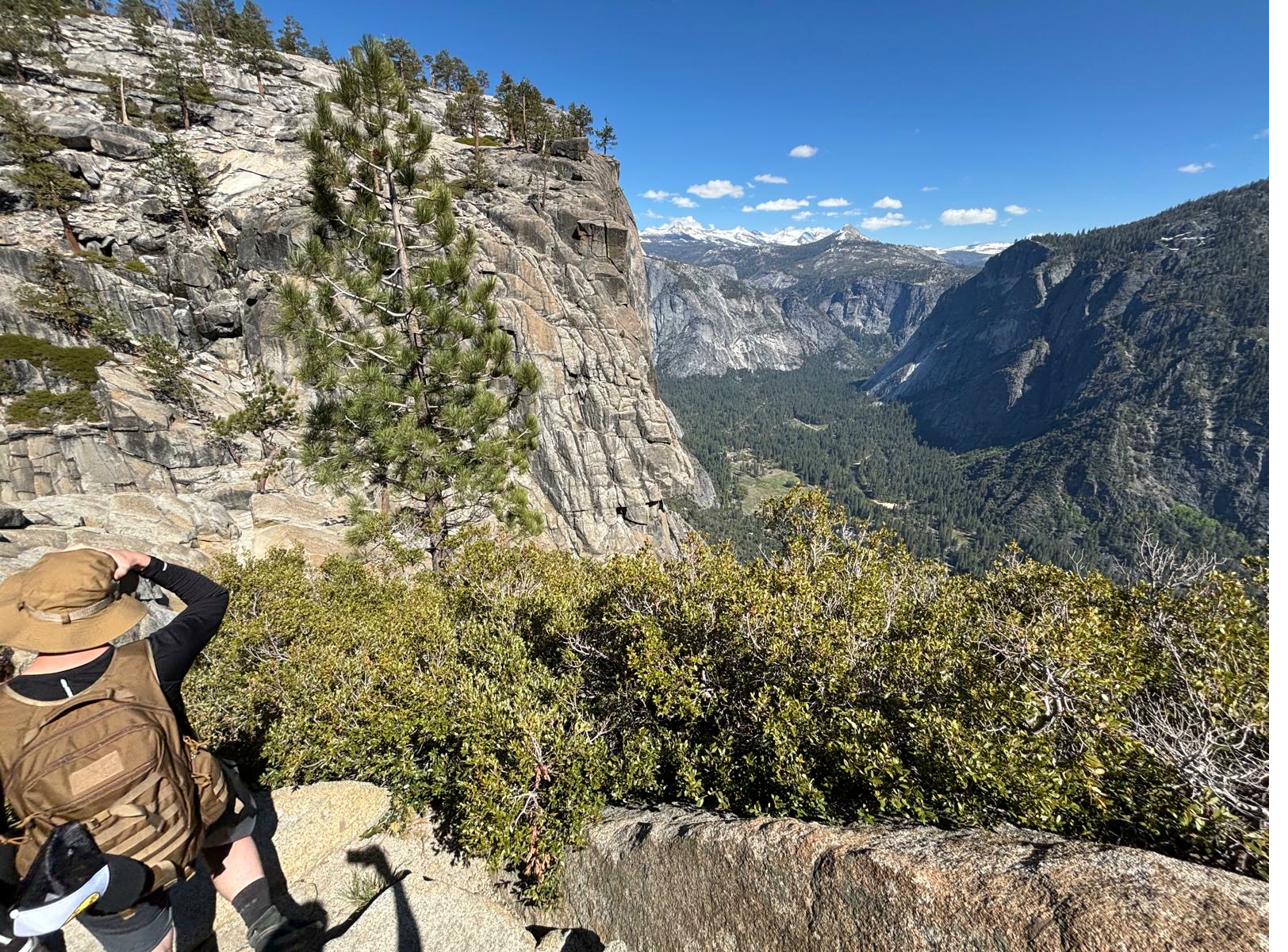
El Capitan Hideaway — perfectly positioned inside the park, minutes from every major trailhead.
🏕️ Hiking & Trail Gear
Whether you're doing a 2-mile valley stroll or the 14-mile Half Dome round-trip, having the right trail kit is non-negotiable.
🎒 Day Hiking Essentials
- Daypack (20–30L for day hikes)
- Trekking poles (essential for Half Dome cables descent)
- Water bottles or hydration bladder — minimum 2 liters per person
- Water filter or purification tablets (for longer trails)
- Headlamp with fresh batteries (for early Half Dome starts)
- Trail map or downloaded offline map (no cell service in most of Yosemite)
- Sunscreen SPF 50+ (altitude amplifies UV)
- Insect repellent (June–September)
- Blister kit and moleskin
- Emergency whistle
- First aid kit
- Trail snacks: energy bars, nuts, dried fruit, sandwiches
🐻 Bear Safety — This Is Not Optional
Yosemite West has an active black bear population. Unlike wildlife you might observe at a zoo, these bears have learned to associate cars with food — and they are extraordinarily good at breaking into vehicles. A bear can peel back a car door like a tin can if they smell food inside.
Never leave food, trash, or scented items in your car. Not overnight. Not while you're at the trailhead. Not even for 20 minutes.
🐻 Bear Safety Kit
- Bear canister (required for overnight backpacking; handy for day hike food storage)
- Smell-proof bags for trash and food scraps in the car
- Bear spray (optional but recommended for backcountry hikers)
- Habit: store all food in the provided bear-proof box outside the cabin when not in use
Important: Food, scented toiletries, chapstick, gum, and even empty food wrappers can attract bears to your vehicle. When in doubt, take it with you or lock it in the cabin's bear box.
🍳 Grocery & Kitchen List
Both our cabins have fully equipped kitchens — pots, pans, utensils, a coffee maker, microwave, and full-size refrigerator. What you need to bring is your food. Stock up in Mariposa (35 min before the park) for the best selection and pricing. El Portal has a small market (25 min) for top-ups.
We strongly recommend cooking most breakfasts and packing trail lunches yourself — Valley dining is limited and expensive.
🛒 Grocery Essentials
- Coffee, tea, creamer (we provide a maker)
- Eggs, bread, breakfast staples
- Lunch sandwich ingredients, deli meats, cheese
- Snacks: crackers, nuts, fruit, trail mix
- Dinner ingredients (pasta, rice, proteins)
- Condiments and cooking oil (not provided)
- Plenty of water — the cabin has tap water, but many prefer bottled or filtered
- Dish soap and sponge (provided, but bring extras for longer stays)
- Paper towels and zip-lock bags
- Trash bags (bear-proof disposal bins are outside)
🚗 Car & Road Essentials
Getting to Yosemite West requires driving mountain roads — and if you visit October through May, winter road preparedness is mandatory by California law.
🚗 Vehicle Checklist
- Tire chains (mandatory to carry Oct–Apr, even if roads look clear)
- Full gas tank before entering the park — no gas in Yosemite West or Yosemite Valley
- Printed or downloaded offline directions (GPS works poorly in the mountains)
- Phone charger / portable power bank
- Emergency car kit: blanket, jumper cables, flashlight
- Parking pass or America the Beautiful Annual Pass ($80 — great value for multiple park visits)
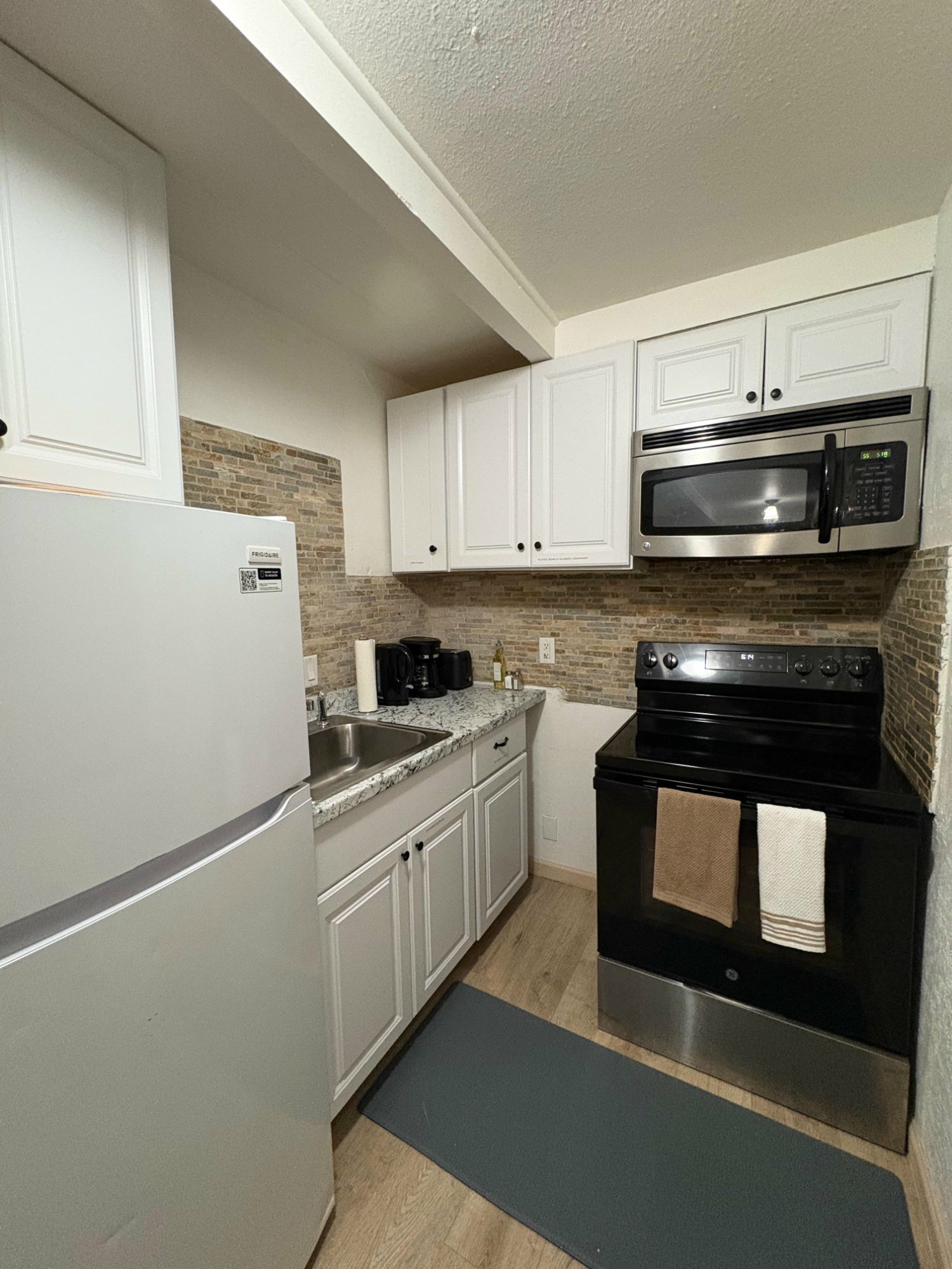
Our fully equipped kitchens mean you can cook real meals — saving money and eating better on the trail.
💊 Health, Safety & Personal Items
💊 Health & Safety
- Personal prescriptions (mountain towns have limited pharmacies)
- Altitude medication if you're prone to altitude sickness (Mariposa pharmacy)
- Ibuprofen and acetaminophen — hiking muscles will thank you
- Allergy medication (pollen season May–July)
- Personal first aid kit
- Sunscreen and lip balm with SPF
- Hand sanitizer and wipes
- Any personal toiletries (basic soap and shampoo provided)
- Extra glasses or contacts
📱 Electronics & Connectivity
Cell service is minimal throughout most of Yosemite National Park. Plan ahead.
📱 Tech & Power
- Camera and extra batteries or charging cable
- Portable power bank (essential for long hiking days)
- Universal car charger
- Download offline maps before arrival (Google Maps, AllTrails, Maps.me)
- Download your music, podcasts, and entertainment — cabin has WiFi but trails don't
- Laptop or tablet if working remotely (cabin WiFi is high-speed)
✨ Nice-to-Have Extras
⭐ Bonus Additions
- Binoculars (for wildlife and valley views)
- Star chart or astronomy app (Yosemite West has exceptional dark skies)
- Journal or sketchbook — no screens, just pines
- Board games or cards for cabin evenings
- A good novel (the cabin has books too)
- Small dry bag for waterfall hikes (Mist Trail will soak you)
- Trekking pole gloves in cooler months
One last tip: Whatever you pack into Yosemite, pack it all out. Leave No Trace principles apply everywhere — including Yosemite West. Use the bear-proof bins, take trash home, and leave the forest exactly as you found it.
What the Cabin Provides
To avoid any confusion, here's what's already waiting for you at both cabins — so you know exactly what not to pack:
- Fresh linens, pillows, and made beds for all guests
- Towels (bath and hand — please bring your own beach/swim towels)
- Basic toiletries: hand soap, shampoo, body wash
- Full kitchen: pots, pans, plates, glasses, cutlery, utensils
- Coffee maker and coffee (a courtesy supply)
- Dish soap, sponge, paper towels
- Washer and dryer with laundry detergent
- WiFi (high-speed)
- Smart TV with streaming (bring your own login details)
- Board games and books
Ready to Pack Your Bags?
Check availability at our cabins — located right inside Yosemite National Park at 6,000 ft elevation.