Yosemite is home to some of the tallest and most dramatic waterfalls in North America — and staying at Yosemite West puts you just minutes from the most spectacular of them all. Here’s your complete guide to every major waterfall, when to visit for peak flow, and how to experience them without the crowds.
Why Yosemite Waterfalls Peak in Spring
Yosemite’s waterfalls are fed almost entirely by Sierra Nevada snowmelt. Peak flow typically runs from April through early June, when warming temperatures send billions of gallons of snowmelt cascading down the granite cliffs. By late July, many falls slow to a trickle — or disappear entirely. Visiting in spring from your Yosemite West cabin means you catch them at full, thunderous force.
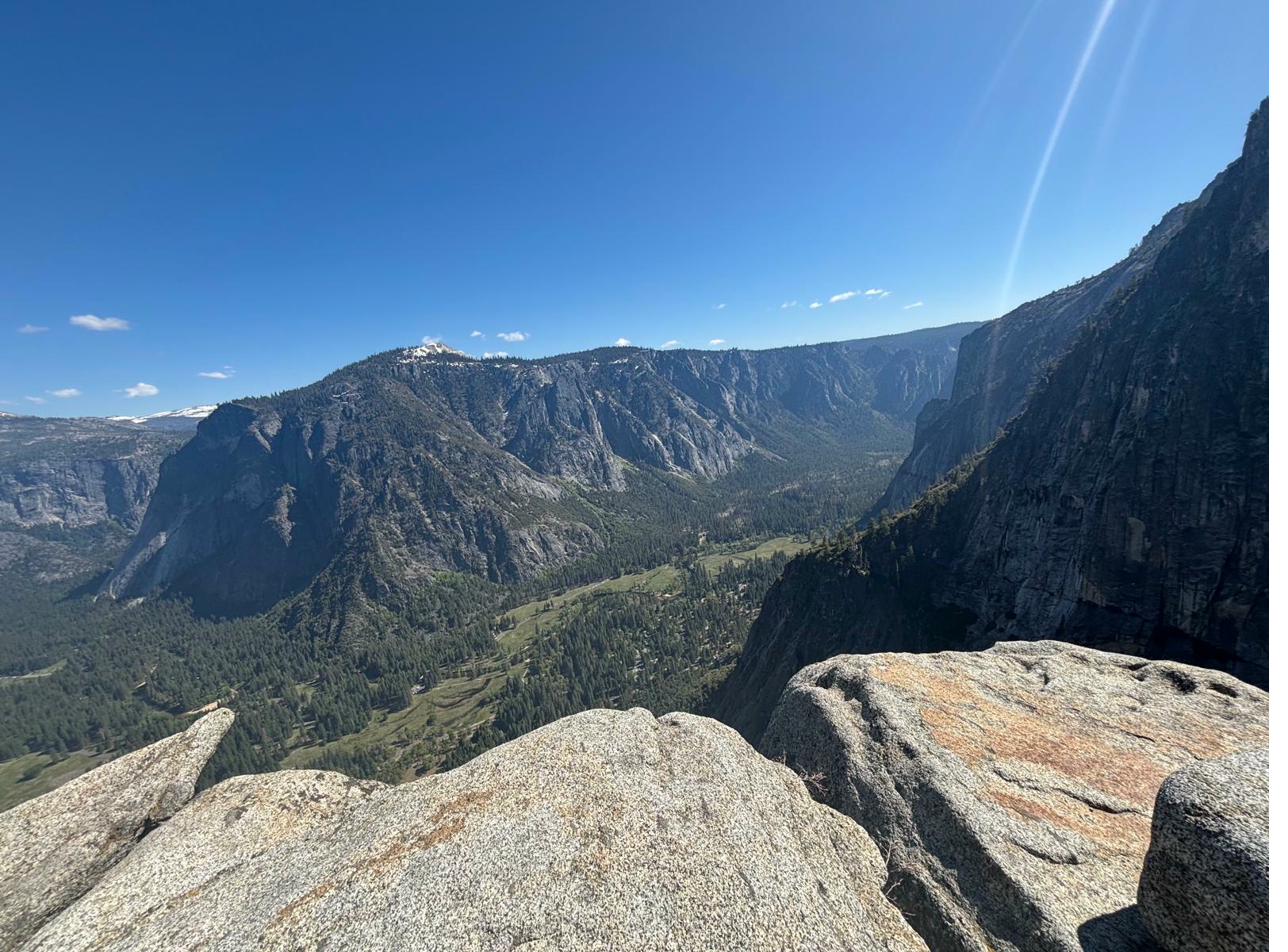
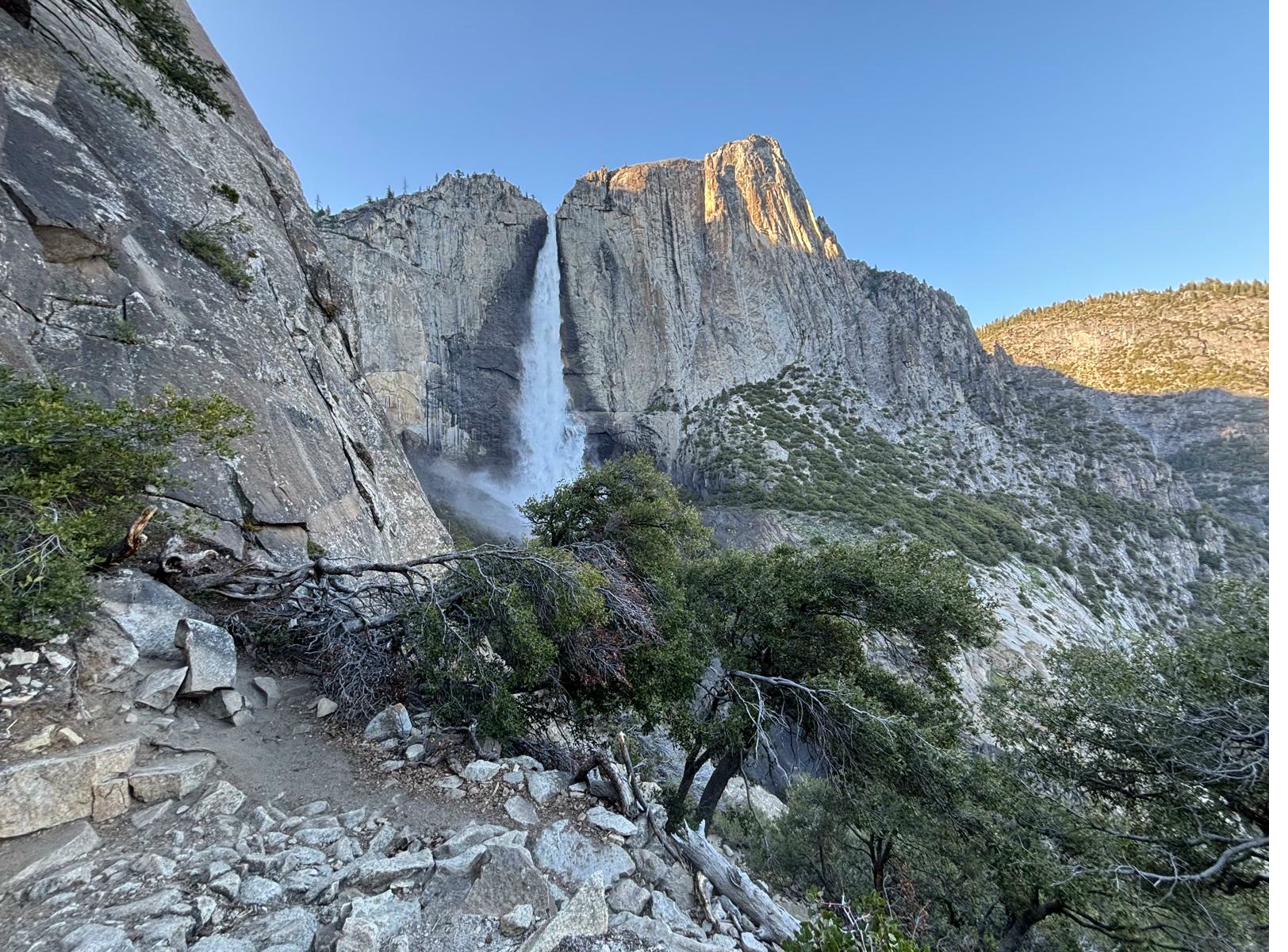
Yosemite Falls at golden hour — the best light hits between 6–8 AM in spring.
1. Yosemite Falls — North America’s Tallest
Total drop: 2,425 feet (upper + middle + lower) · Drive from cabin: 18 minutes
The crown jewel of Yosemite’s waterfall circuit. Upper Yosemite Falls alone drops 1,430 feet — nearly three times the height of the Empire State Building. From the Valley floor, the Lower Falls trail (1 mile roundtrip, easy) takes you to the base, where the spray can soak you on windy days. For the full experience, hike to the top via the Upper Yosemite Falls Trail (7.2 miles, strenuous) — the summit views across the Valley are transformative.
April and May for maximum flow. Arrive at the lower falls trailhead before 8 AM to have the area nearly to yourself — by 10 AM it’s packed. From Yosemite West, a 6:30 AM departure gets you there at golden hour.
2. Bridalveil Fall — The Classic First View
Drop: 617 feet · Drive from cabin: 12 minutes
Most visitors see Bridalveil Fall first as they enter Yosemite Valley via Highway 41 — the same road that runs past Yosemite West. The short, paved trail (0.5 miles roundtrip) is accessible to all ages and abilities. In spring, the wind catches the mist and creates the “bridal veil” effect that gave the fall its name. Bring a rain jacket — you will get wet within 50 feet of the base in high water season.
Even in winter, Yosemite’s waterfall trails offer extraordinary scenery from your Yosemite West cabin.
3. Vernal Fall — The Mist Trail Classic
Drop: 317 feet · Drive from cabin: 20 minutes to Happy Isles trailhead
The Mist Trail to Vernal Fall is arguably the most iconic hike in Yosemite. Granite steps ascend alongside the Merced River to a viewpoint, then to the top of the fall. In peak spring flow, the mist is so heavy you need a waterproof jacket just to walk past — it’s one of the most exhilarating trail experiences in the country. Continue to Nevada Fall (594 feet) for a full day adventure.
4. Nevada Fall — The Hidden Giant
Drop: 594 feet · Drive from cabin: 20 minutes (same trailhead as Vernal)
Continuing past Vernal Fall on the John Muir Trail or the Mist Trail brings you to Nevada Fall — a broader, more powerful cascade that fewer visitors see because of the extra effort required. The Liberty Cap granite dome looms behind it. This is one of Yosemite’s most photogenic spots, yet it sees a fraction of the crowds of Vernal Fall.
Staying at Yosemite West means you can hit trailheads as early as 6:30 AM — before tour buses from Fresno and Merced arrive. Your full kitchen means you can pack a proper trail lunch and stay out all day without paying Valley food prices.
5. Ribbon Fall — The World’s Tallest Single Drop
Drop: 1,612 feet (single drop) · Drive from cabin: 18 minutes
Technically the world’s longest single waterfall drop, Ribbon Fall is visible from the Valley floor near El Capitan Meadow in early spring. By June it typically dries up entirely — making it one of the most seasonal and fleeting of all Yosemite falls. If you’re visiting in March–May, look left as you pass El Capitan.
Waterfall Season Calendar
March–April: All major falls running strong; some trails muddy or snow-covered at elevation. May–June: Peak flow on all falls; Mist Trail spray at maximum; most scenic conditions. July: Falls slowing; upper portions may stop flowing. Vernal and Nevada still active from high snowpack years. August–September: Most upper falls dry; Bridalveil and lower Yosemite Falls may still trickle. October–November: First autumn rains revive some falls. December–February: Frozen or ice formations on many falls; dramatic photography opportunities; very few visitors.
Photography Tips for Waterfall Shots
Early morning light (6–9 AM) hits Yosemite Falls and Bridalveil from the east, creating warm golden tones. For silky water effect, use a slow shutter speed (1/4 to 1 second) with a tripod — overcast days are ideal as they reduce harsh shadows. The classic Tunnel View shot (2 minutes from your cabin on Highway 41) frames Bridalveil Fall against El Capitan and Half Dome in a single composition.