Yosemite is a completely different place depending on when you visit. February brings the Firefall — a phenomenon so rare and spectacular that people camp out in freezing temperatures just to witness it. May brings waterfalls so powerful the Mist Trail lives up to its name. October brings empty trails and golden oaks. December brings snow-covered granite and almost no crowds.
Every month has something extraordinary to offer and something specific to plan around. This guide breaks it down month by month so you can make the most of your exact trip dates — from what's in bloom to what roads are open to what you should book in advance.
2026 update: Yosemite eliminated its timed-entry reservation system for 2026 — you no longer need a separate reservation to enter the park during peak season. Park entry fees still apply ($35/vehicle). Staying at Yosemite West Cabins means you're inside the park already, which has always exempted guests from gate queues.
Quick Season Overview
Winter
Dec–Feb · Snow, Firefall, near-empty trails, skiing at Badger Pass
Spring
Mar–May · Peak waterfalls, wildflowers, Firefall finale, roads reopening
Summer
Jun–Aug · Peak crowds, all roads open, Tuolumne accessible, warmest temps
Fall
Sep–Nov · Best balance of access, color, weather, and manageable crowds
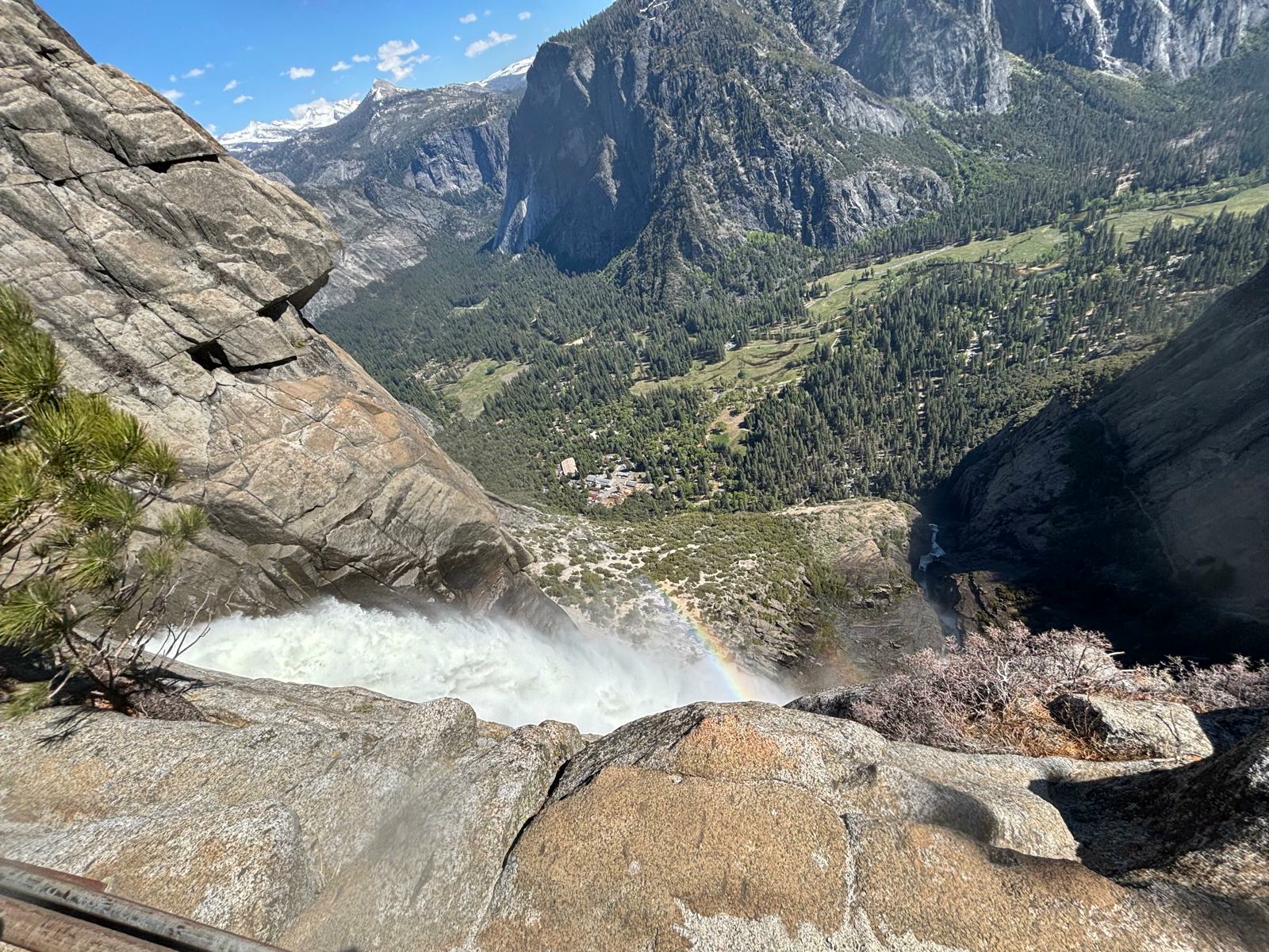
Bridalveil Fall in April — snowmelt drives waterfalls to their most dramatic flow of the year
Month by Month
Snow likely at all elevations. Wawona Road (CA-41) usually clear but chains may be required. Glacier Point Road closed to vehicles. Valley floor typically accessible. Temperatures 20–50°F.
Winter silence in the Valley. Waterfalls partially frozen. Badger Pass ski season in full swing. Excellent time for solitude photography — you may have viewpoints entirely to yourself.
Similar to January — snow likely, Valley accessible. The second half of February is the window for the Firefall. This is a two-week spike in visitation within an otherwise quiet month; book accommodations 3–4 months ahead for Firefall week.
The Yosemite Firefall: when conditions align (direct late-afternoon sunlight hitting Horsetail Fall on El Capitan), the waterfall glows orange like flowing lava. The window is roughly Feb 10–25. Requires clear skies and a running waterfall — weather is the variable.
Unpredictable — can be snow-covered or spring-warm in the same week. Snowmelt begins to feed the waterfalls. Glacier Point Road still closed. Roads may require chains after storms.
Waterfalls are gaining power throughout the month. Valley wildflowers begin in late March in good snow years. Hetch Hetchy warms up faster than the Valley — excellent early-season hiking destination with minimal crowds.
Waterfalls near or at peak flow by late April in good snow years. Valley roads fully open. Upper elevations still snowy. Temperatures 35–65°F in the Valley. Dogwood blooms late April.
Bridalveil Fall is thundering. Yosemite Falls and Ribbon Falls (highest single-drop fall in the park) are at or near peak. Pacific dogwood blooms white along Valley trails — stunning contrast against granite. One of the most photogenic months in the park.
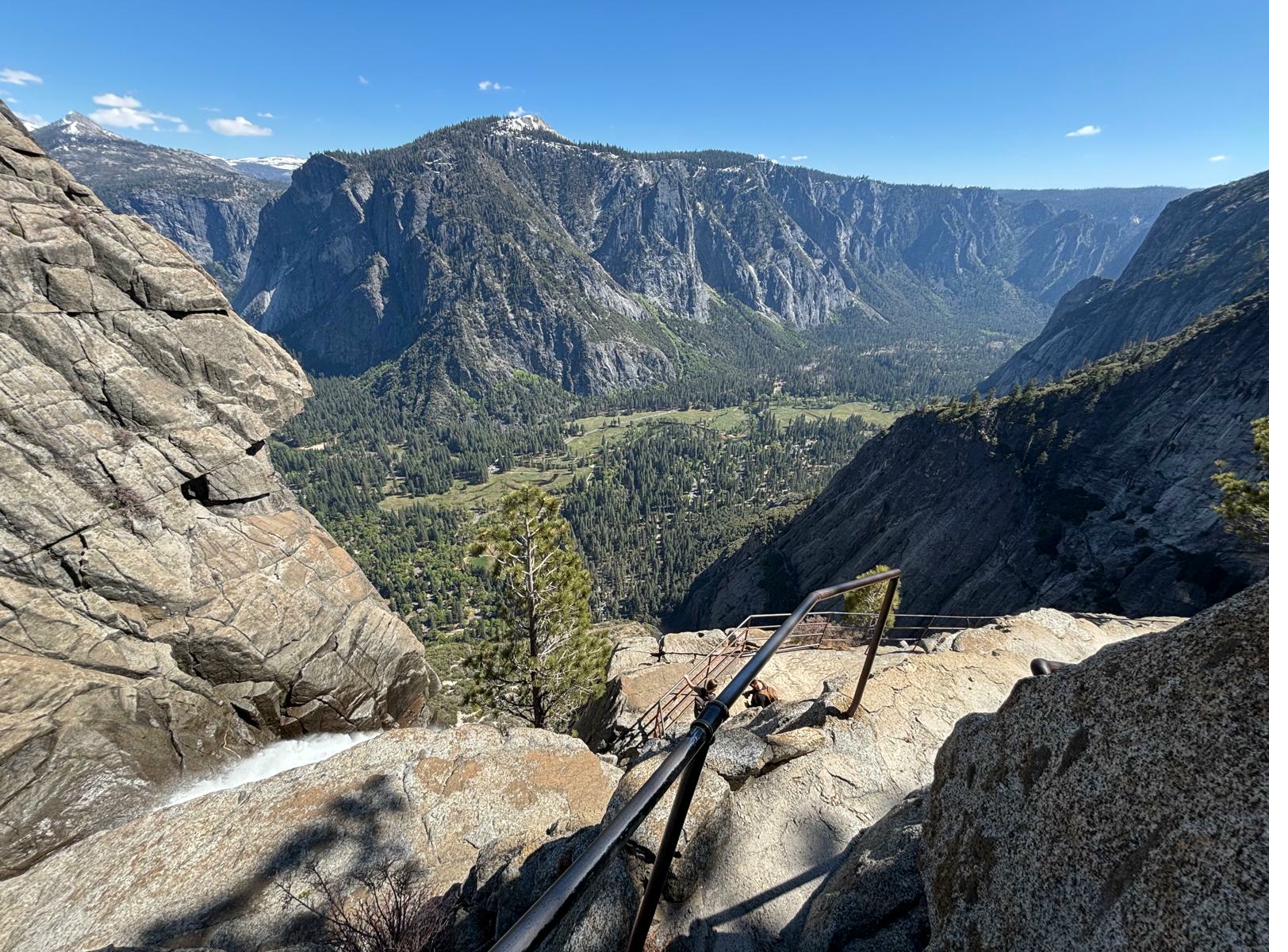
May in Yosemite Valley — the Valley meadows at their greenest, waterfalls at full roar, and the park beginning to wake up
Glacier Point Road typically opens mid-May (weather dependent). Tioga Road (to Tuolumne) still closed through May in most years. Valley is lush green and waterfalls are at maximum flow. Mist Trail lives up to its name.
The absolute best month for waterfalls — Yosemite Falls, Vernal, Nevada, and Bridalveil all running at full power simultaneously. Mist Trail to Vernal Fall will soak you completely in spring — bring a rain layer. Glacier Point is spectacular once the road clears.
Tioga Road to Tuolumne Meadows typically opens early-to-mid June. All Valley trailheads become busy. Temperatures 55–85°F in the Valley. Waterfalls still strong early in the month, tapering off by late June.
First access to high country: Tuolumne Meadows, Cathedral Peak, and Clouds Rest trails open. Half Dome Day Hike cables are installed (typically late May–early October). If you have a Half Dome permit, June mornings are the sweet spot before summer heat.
All roads and trails open. Valley daytime highs 85–95°F. Tuolumne is cool (65–75°F) — the best place to escape summer Valley heat. Valley waterfalls diminish significantly. Afternoon thunderstorms possible at high elevation.
Everything is accessible: Tuolumne, Half Dome, Tioga Road, all Valley trails. Night skies are stunning — Milky Way peaks in July and August. Mirror Lake and the Valley meadows are prime in morning and evening. Arrive at all trailheads before 8 AM.
Crowds drop noticeably after Labor Day. All roads still open. Temperatures cooling to 70–80°F in the Valley. Excellent hiking weather — cool mornings, warm afternoons. Tioga Road typically closes mid-to-late October.
Arguably the best overall month. Great weather, manageable crowds, everything still open. Half Dome cables come down mid-October — September is your last easy window. Black oaks in the Valley begin to turn gold late in the month.
Valley black oaks turn brilliant gold and orange throughout October, peaking mid-to-late month. Glacier Point Road may close by late October. First snow possible at high elevations. Crisp, clear days perfect for photography.
Fall color in the Valley is seriously underrated — gold and orange oak leaves against granite and evergreens. Cook's Meadow and Valley View are stunning. Merced River reflections with fall foliage are some of the most beautiful images the park produces all year.
Most high country roads closed. Valley fully accessible. First significant snowfall possible. Waterfalls begin running again as rains arrive. Temperatures 30–60°F. Early winter feel — chains recommended when traveling.
The Valley to yourself. November is one of the quietest months and one of the most underrated. Late fall light is warm and golden. The first snowfall on granite is breathtaking. Lower Falls Trail and Valley meadow walks have a meditative quality in November.
Snow likely at all elevations. Glacier Point Road closed. Valley Floor Loop accessible. Badger Pass opens for skiing late December. Holiday week (Dec 26–Jan 2) sees a spike in visitors — otherwise very quiet.
Snow-covered Yosemite Valley is stunning and uncommonly quiet outside of the holiday week. Badger Pass skiing, snowshoeing, and winter walks in the Valley. The Ahwahnee Hotel hosts a special holiday dinner program in December that books months in advance.
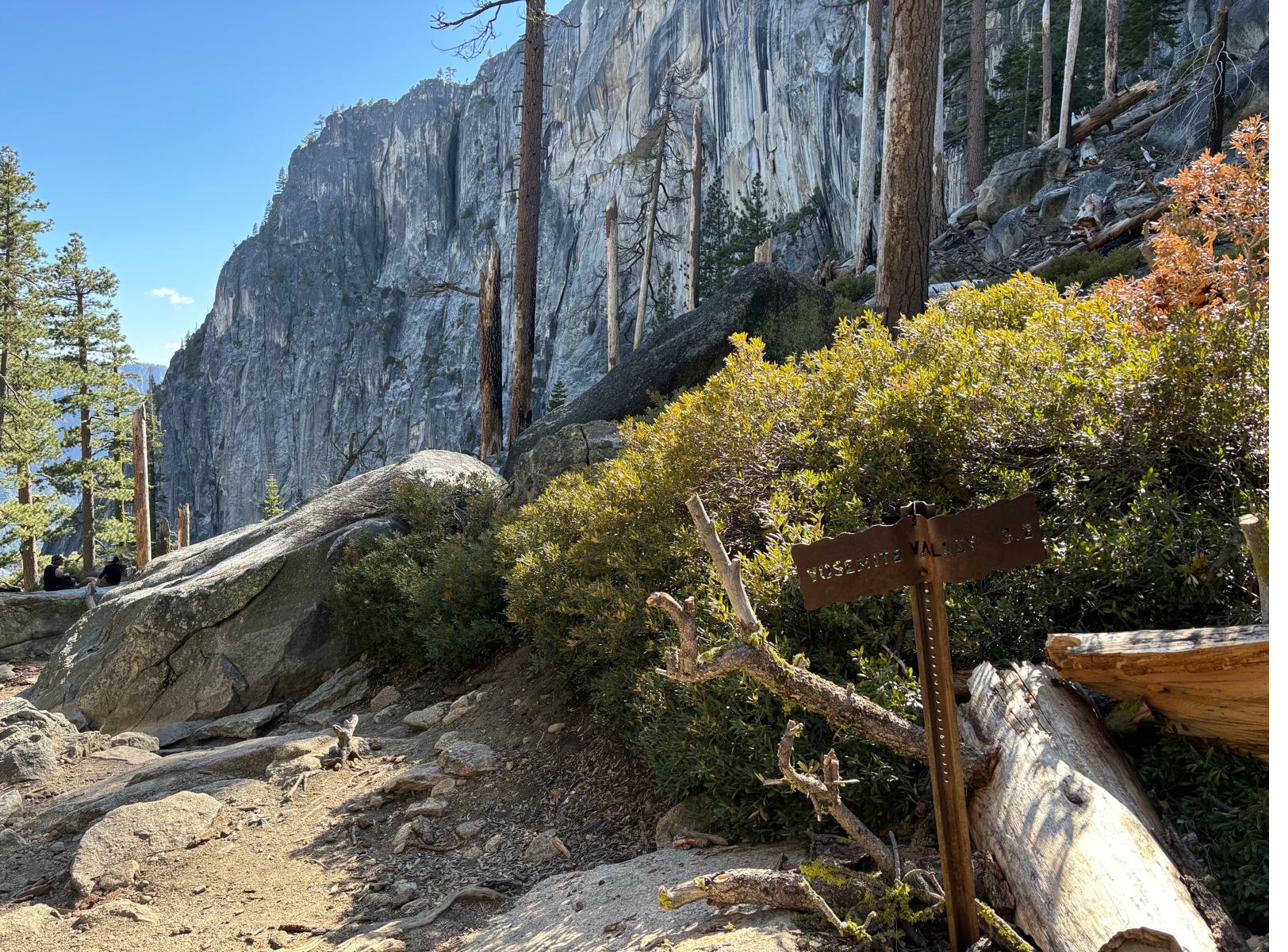
October in Yosemite Valley — black oak fall color peaks mid-to-late month, and the Valley is genuinely quiet
What to Book in Advance, Month by Month
- February (Firefall): Cabin accommodation 3–4 months ahead. The park does not require advance reservations to enter, but lodging inside fills fast.
- May–June: Half Dome Day Hike permits via lottery at recreation.gov — apply in the spring lottery (March) or daily lottery (night before).
- July–August: Book accommodations 3–6 months ahead. No advance park entry reservation required in 2026.
- December holidays: Ahwahnee Holiday Program books in October. Cabin availability fills for Christmas week by September.
Know Your Dates? Book Your Cabin Inside the Park
Whatever month you're visiting, Yosemite West is your best base camp — inside the park, no entrance gate, 20 minutes to the Valley. Check availability for your dates.